Vedette · The War of the Spanish Succession · 1701–1714 · In preparation
The Intelligencer
intelligencer, n. — one who brings intelligence; a bearer of news.
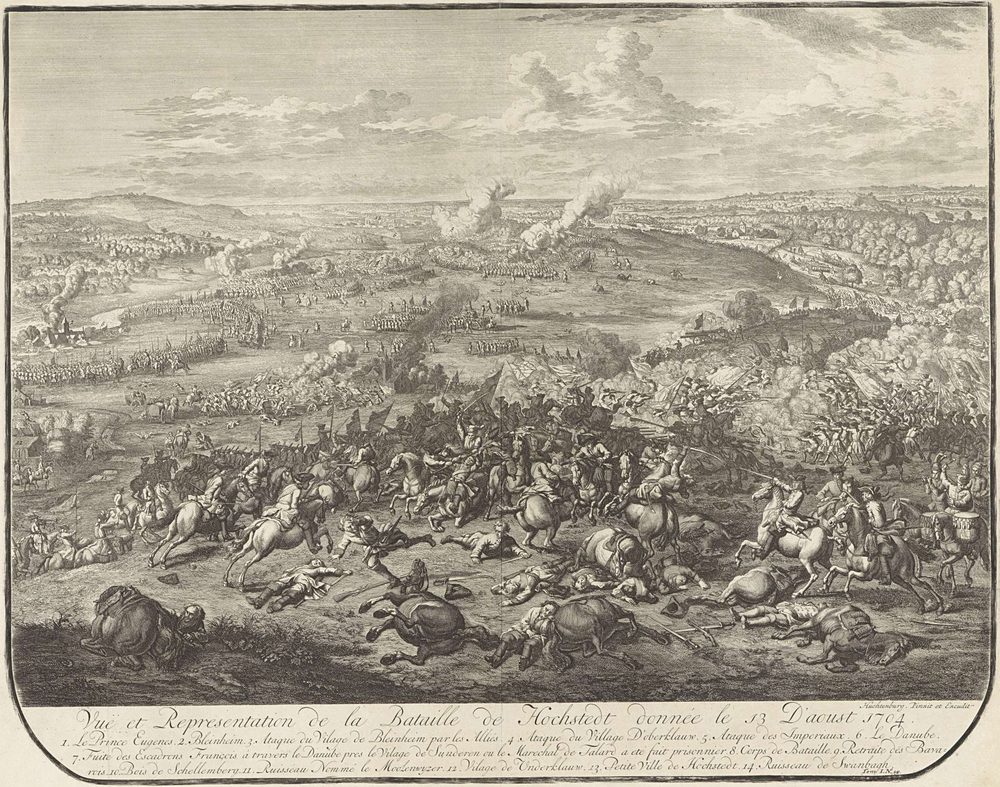
The key, as engraved
1. Le Prince Eugenes. 2. Bleinheim. 3. Ataque du Vilage de Bleinheim par les Alliés. 4. Ataque du Village d’Oberklauw. 5. Ataque des Imperiaux. 6. Le Danube. 7. Fuite des Escadrons François à travers le Danube pres le Vilage de Sunderen ou le Marechal de Talard a eté fait prisonnier. 8. Corps de Bataille. 9. Retraite des Bavarois. 10. Bois de Schellemberg. 11. Ruisseau Nommé le Moolenwyzer. 12. Vilage de Underklauw. 13. Petite Ville de Hochstedt. 14. Ruisseau de Swanbagh.
A battle laid out for the reader at home: where the Prince was, which village was attacked and by whom, where the French squadrons broke, where Tallard was taken. That is what a Vedette scenario sheet does, three centuries on.
The affairs of the nations
A will, a throne, and a Grand Alliance
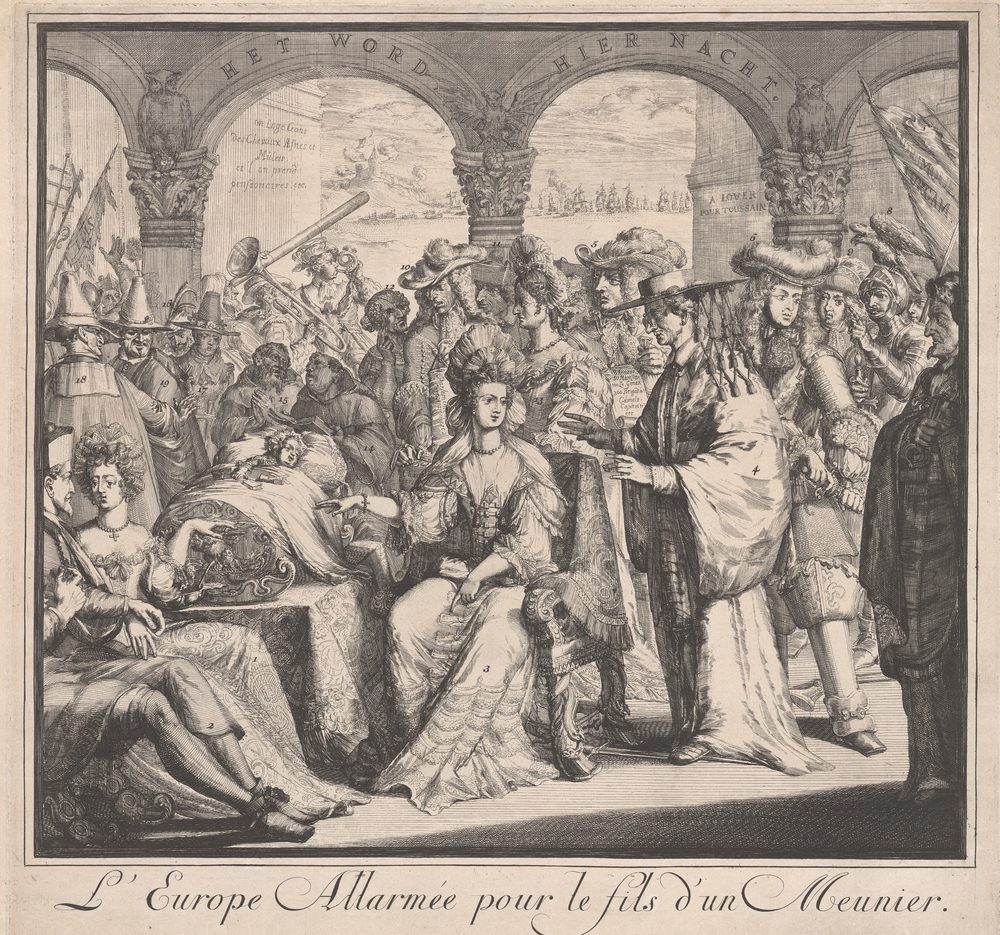
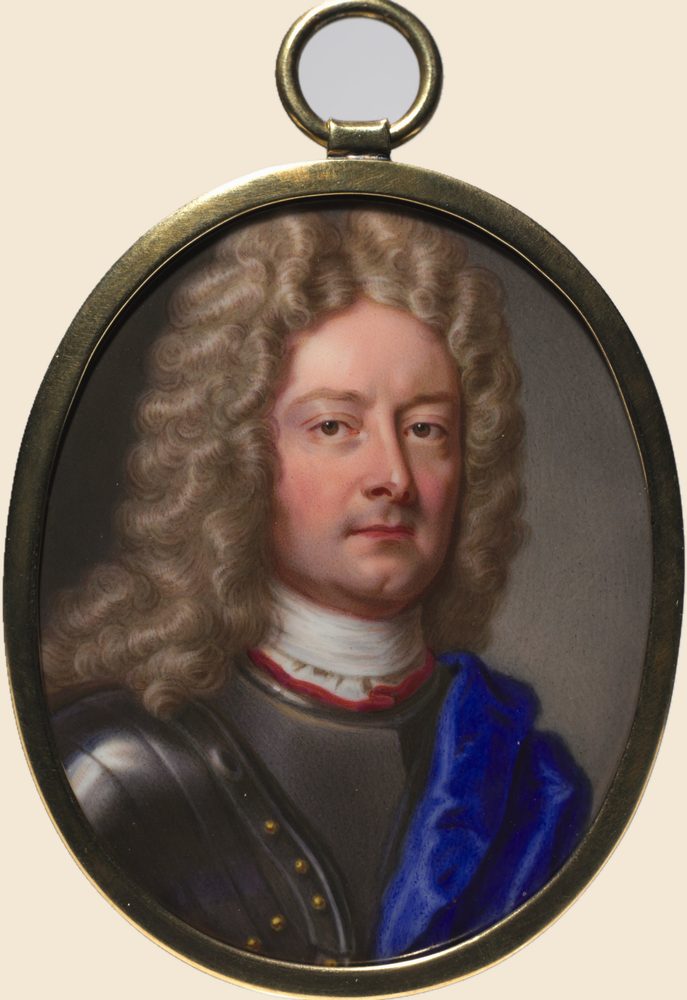
When Carlos II of Spain died in 1700 without an heir, his will left the whole Spanish inheritance — Spain, the Netherlands, Milan, Naples, the Indies — to a grandson of Louis XIV. The rest of Europe went to war to keep France and Spain from becoming one power. England, the Dutch Republic and the Emperor bound themselves in the Grand Alliance of 1701, and fought until the Peace of Utrecht in 1713 — the Emperor alone fought on to Rastatt in 1714. It was the war that made Marlborough.
- The allied line
- British, Dutch, Danes, Hanoverians, Prussians and Imperialists in one line of battle; French, Spanish and Bavarians in the other.
- Fire by platoon
- Linear tactics before the drill books settled: platoon fire against fire by ranks, and the bayonet finishing off the pike.
- Cavalry with the sword
- Marlborough’s squadrons were kept for the charge, not the pistol.
- Sieges as often as battles
- The age of Vauban and Coehoorn: lines, circumvallation, the trench and the breach.
The same series, the other battles
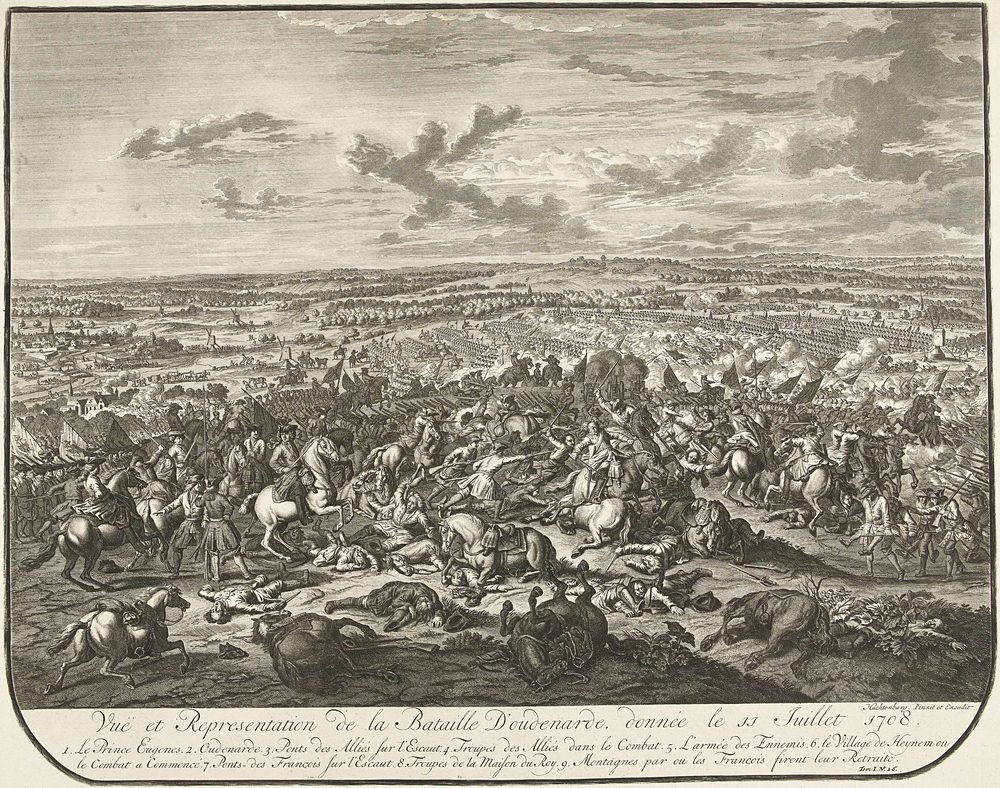
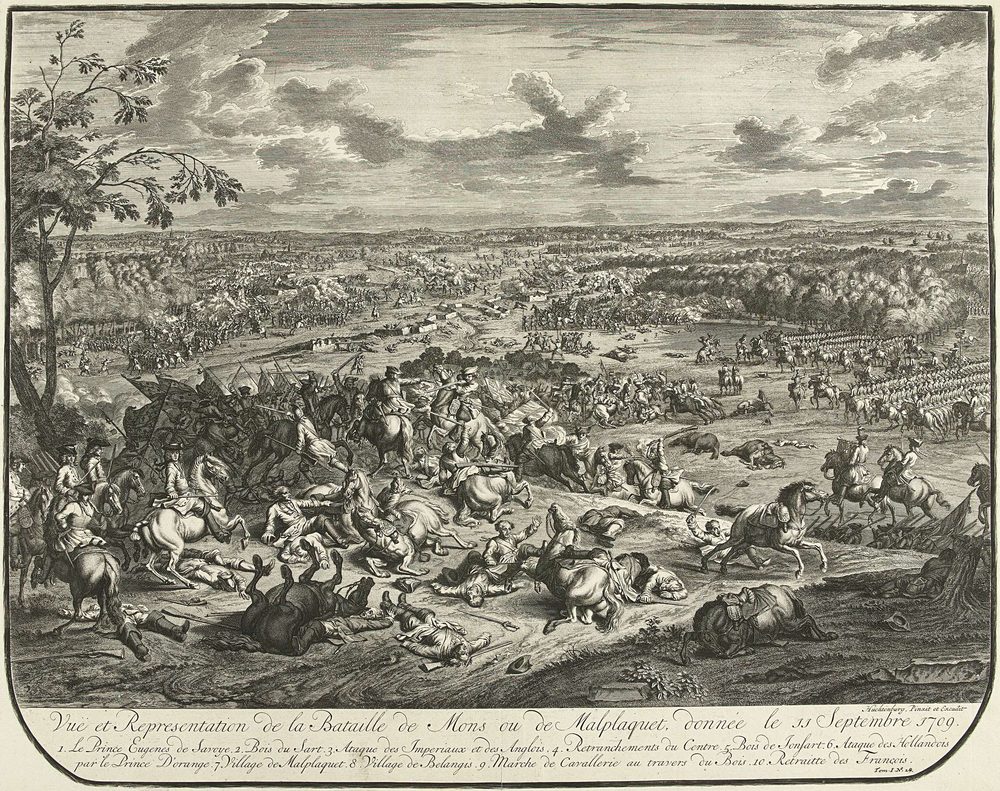
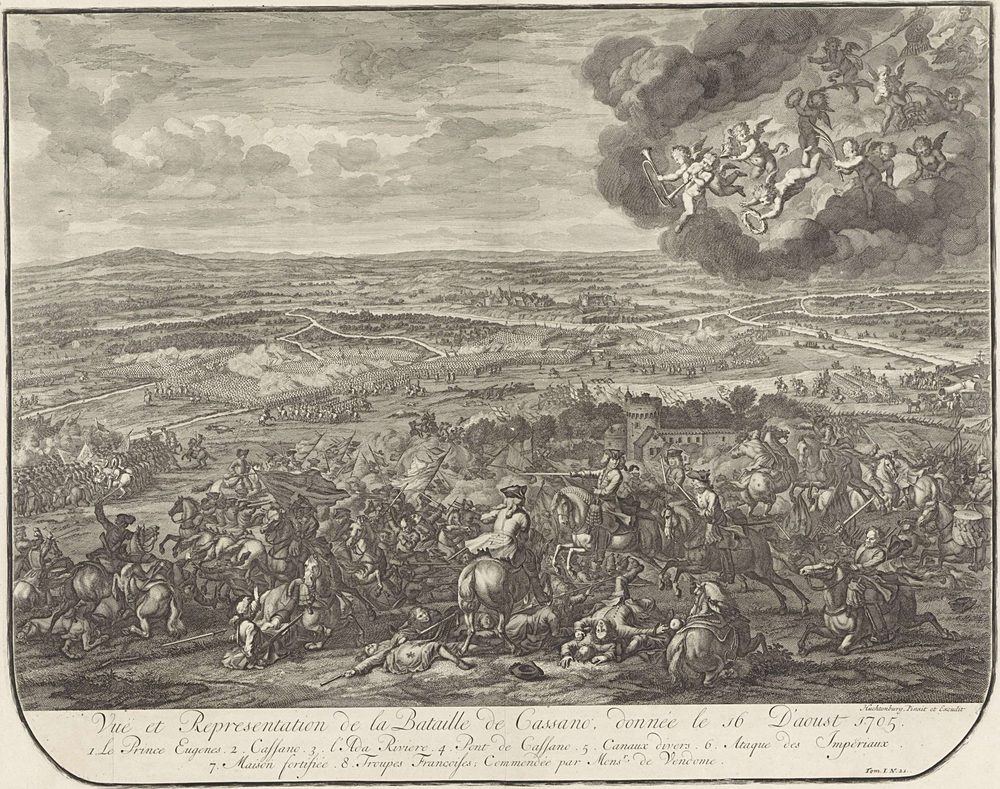
The Intelligencer is in preparation. Not yet on sale, and no date is promised.