Vedette · Napoleonic Wars · 1798–1815
Exploring Officer
A Napoleonic scenario generator. Pick a theatre and a table; print the scenario.
Early release — £15 while the next major update is still being built, then the price rises. Feedback: feedback@vedette-wargames.com.
Save the scenario and you have the finished battle — one file, plays offline, keeps forever. That’s what to send a friend or the club. Every scenario also carries a short code you can paste to rebuild it in your own copy of the app — handy on the night, but see how it works before you rely on it to match someone else’s game.
Any rules you like. Exploring Officer works with any set of Napoleonic wargames rules. A scenario is written in battalions, squadrons, guns, turns and inches — what every rule set uses and none owns — so it plays on your table with the rules already on it, whatever they are.
Not a mockup
One scenario the engine actually built
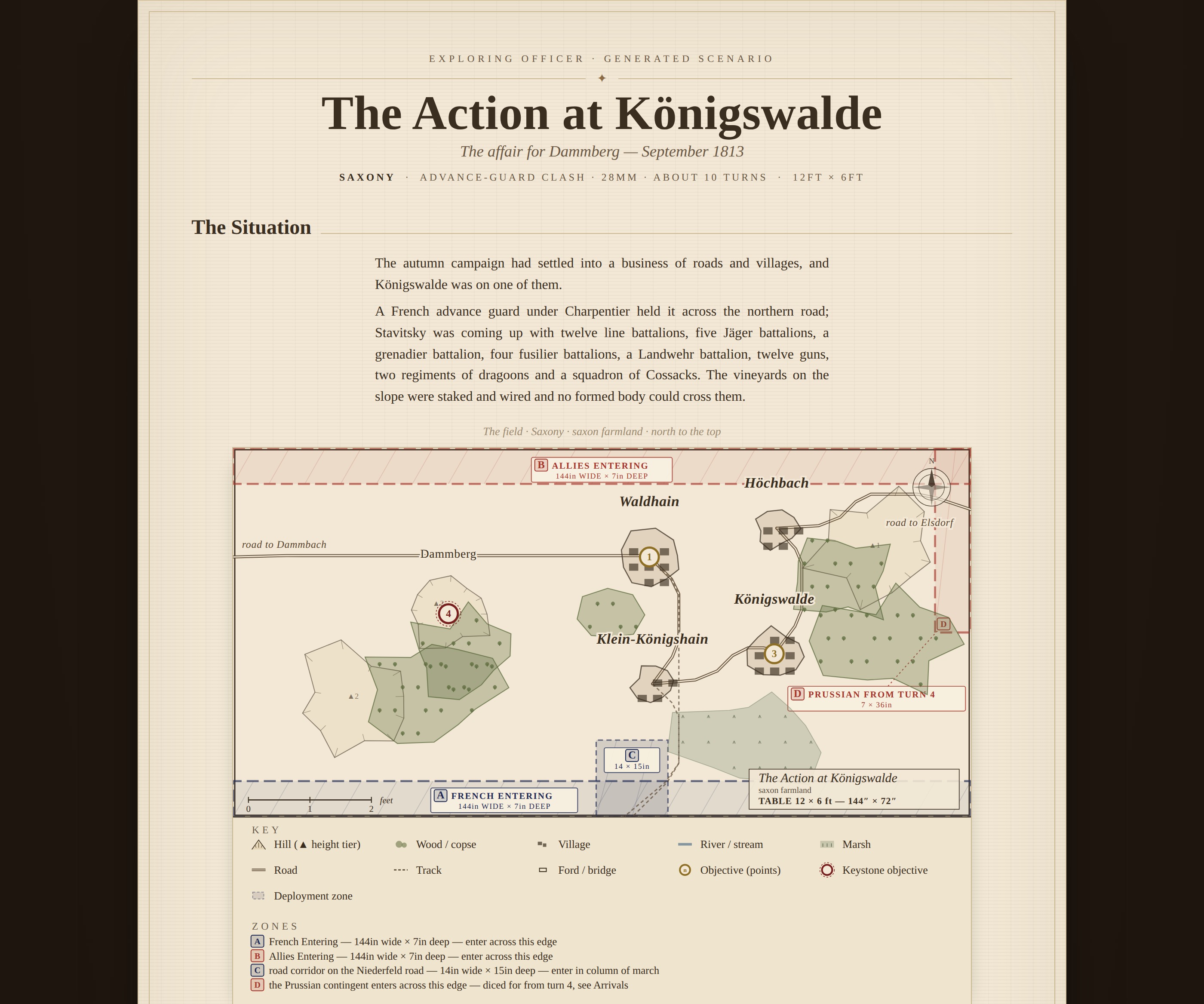
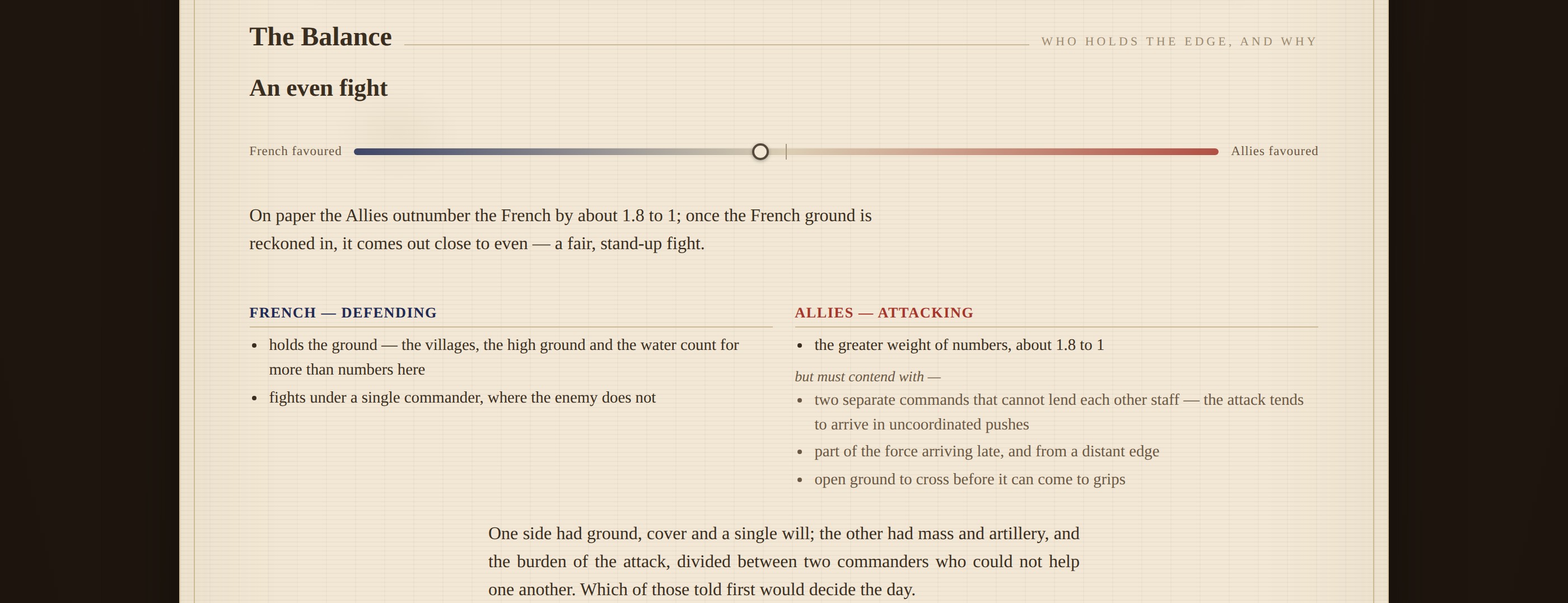
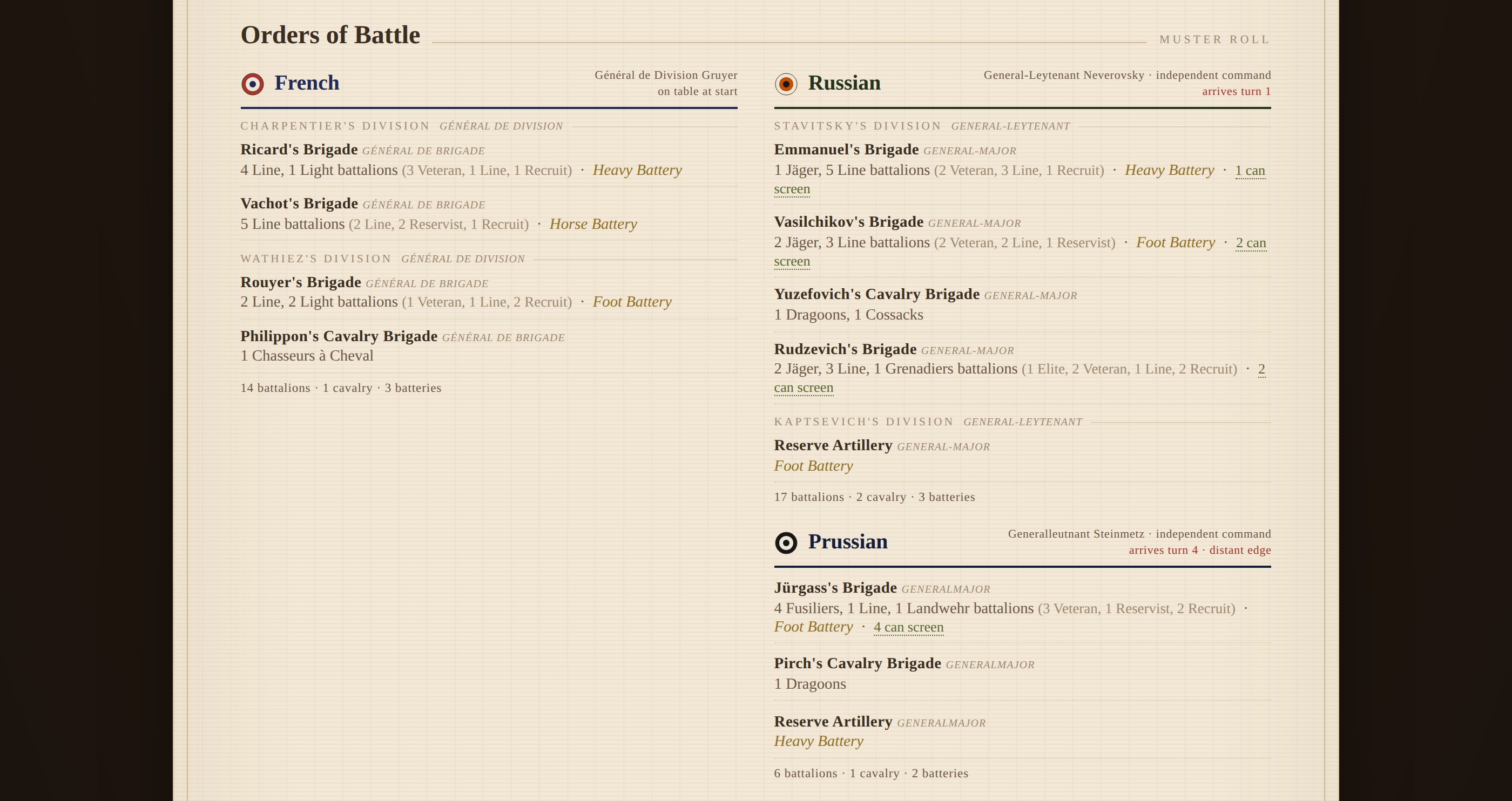
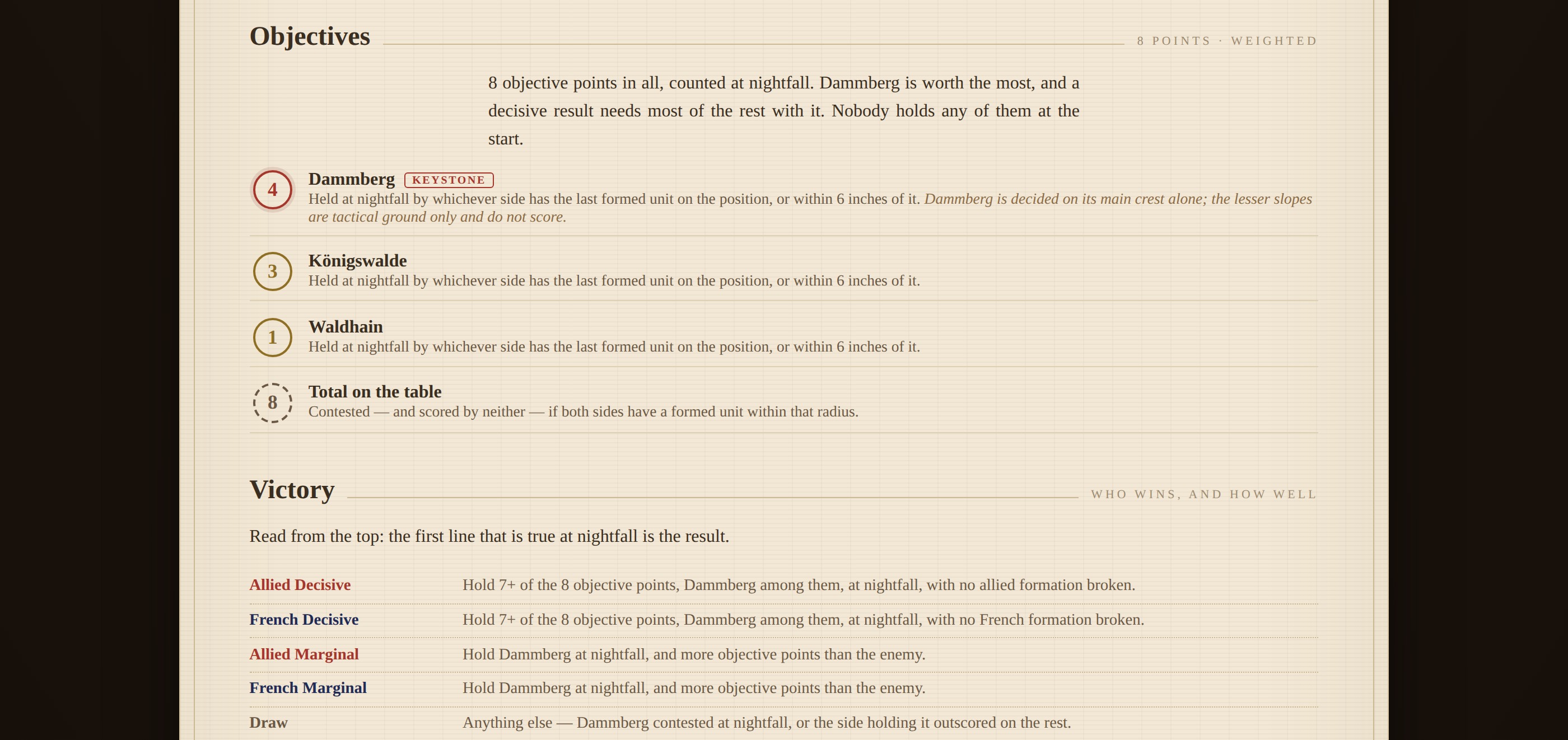
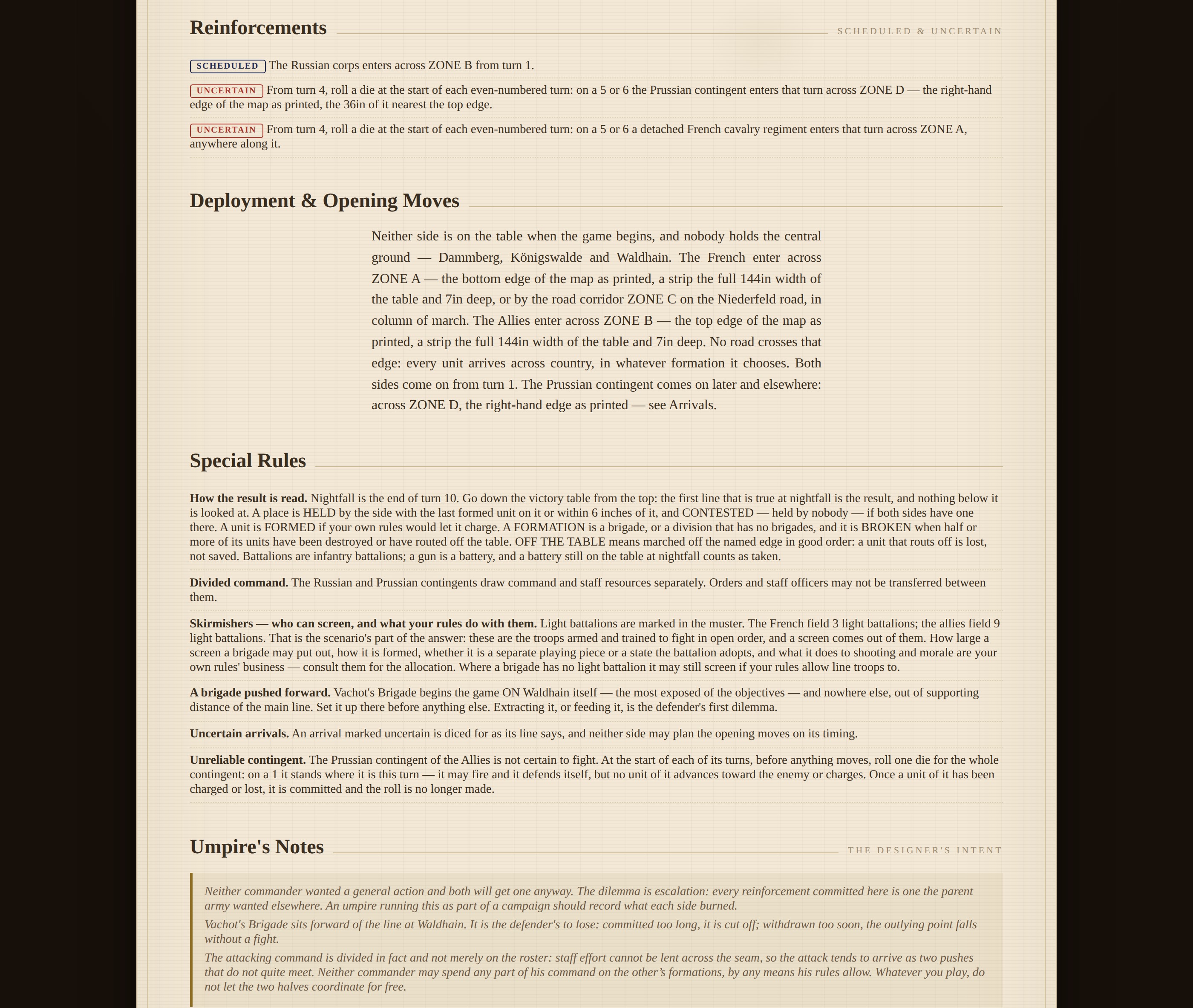
The map and the controls above are an illustration for this page. What follows is not. It is a scenario the app generated, unedited: a procedural battlefield with its own scale bar and legend; both orders of battle down to the battalion, graded; a balance calculation you can read line by line instead of taking on faith; objectives weighted by how much they matter; and an umpire’s note on how to run it. Set feet or inches in the app and every distance on the sheet follows.
The affairs of the nations
Europe redrawn, print by print
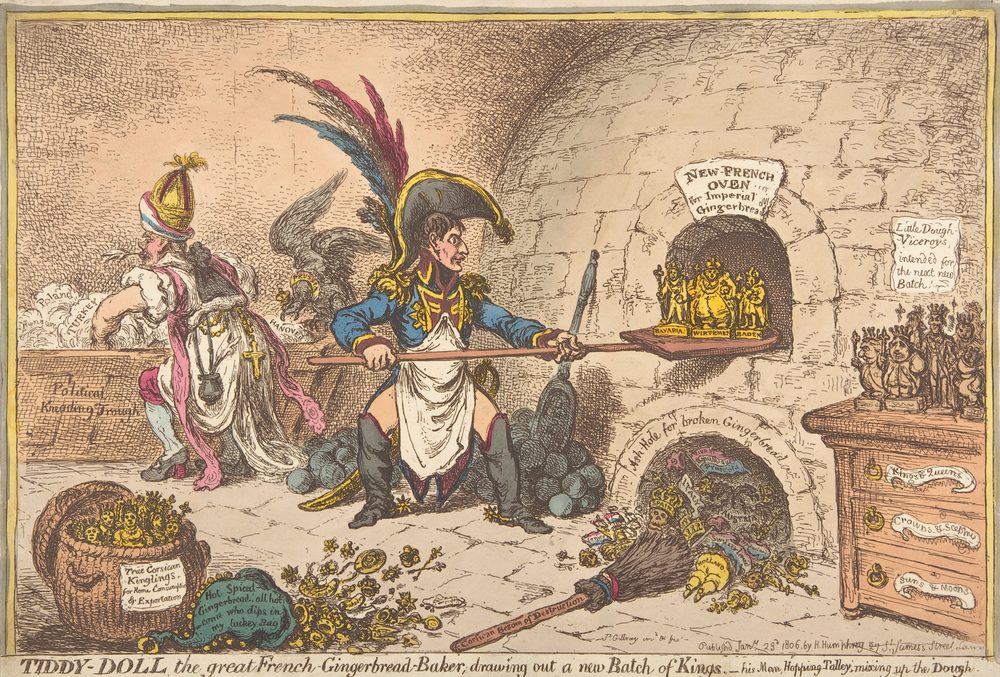
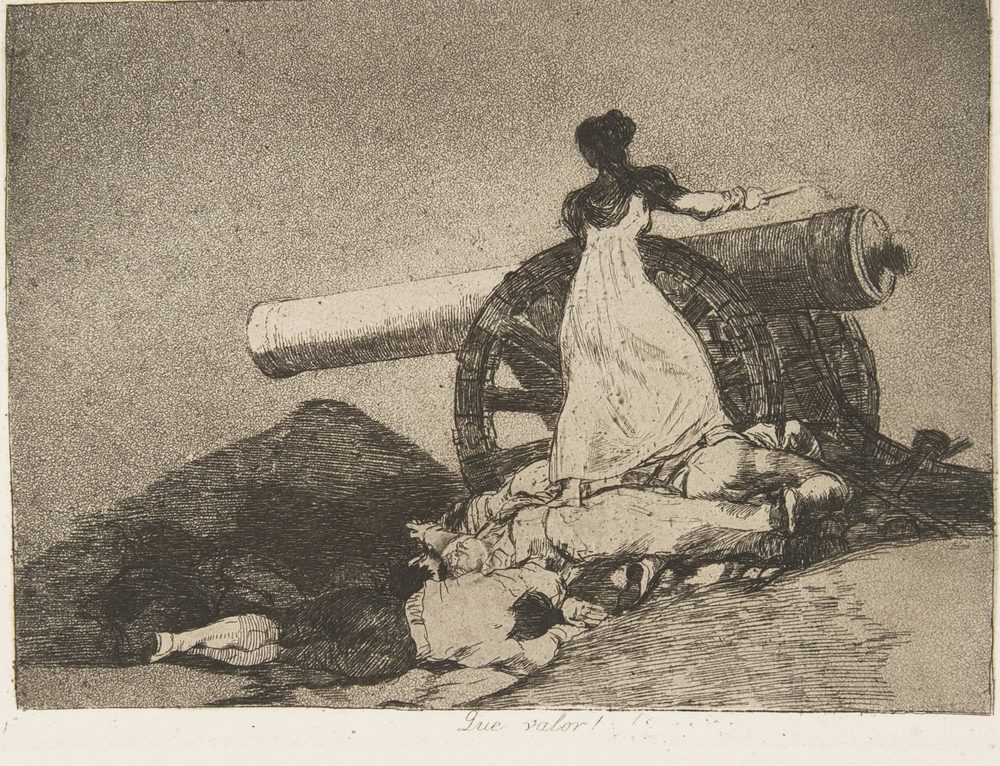
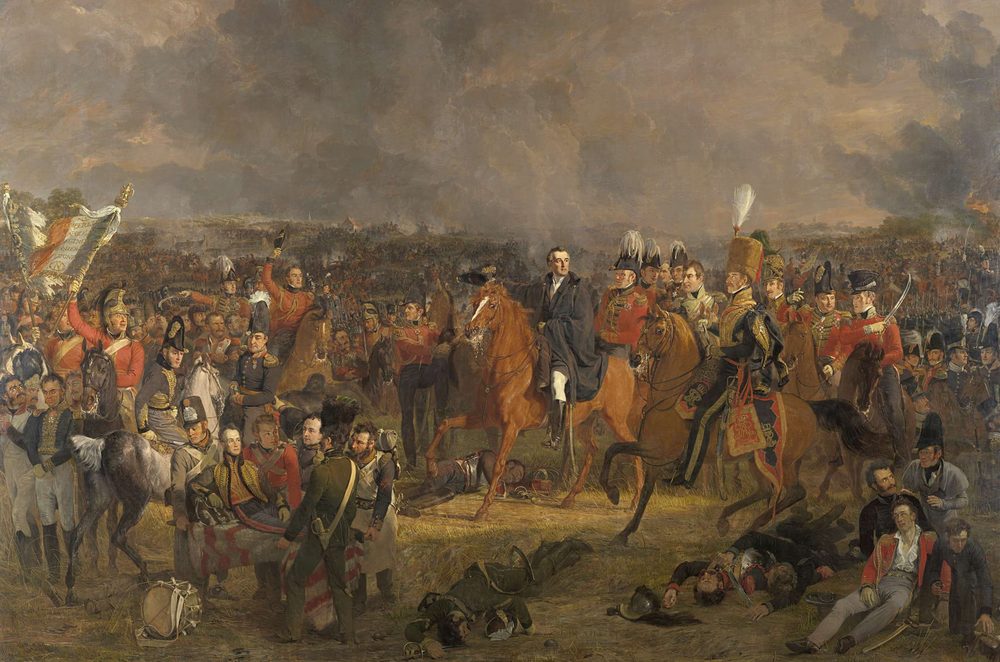
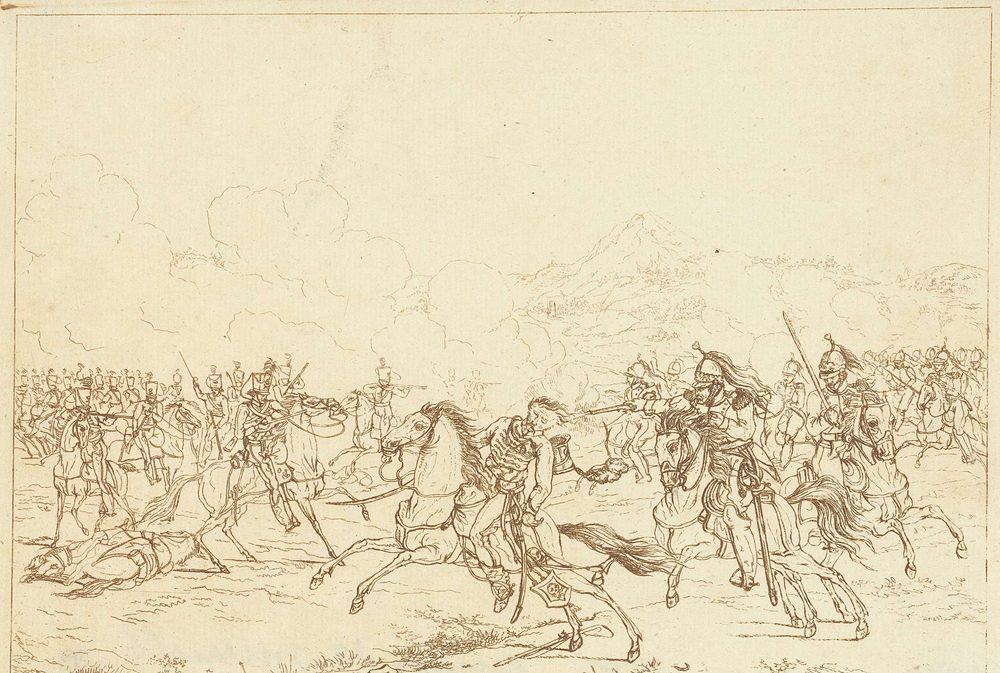
Between 1798 and 1815 the map of Europe was redrawn again and again, one broken kingdom at a time — and the print-sellers of the day sold the story as fast as it happened. One print mocks Napoleon baking a fresh batch of kings from the oven, Bavaria and Württemberg and Baden still warm, the broken ones swept into the ash-hole below. Another shows a woman climbing over her own side’s dead gunners to fire the last working cannon herself — loss, defiance and hope held in the same print, nothing invented. The scenarios stand on the same ground — the Peninsula of 1808, the Danube of 1809, Germany in 1813, the Hundred Days — and every sheet says which sources it stands on.
The scenarios themselves
Cavalry against the squares
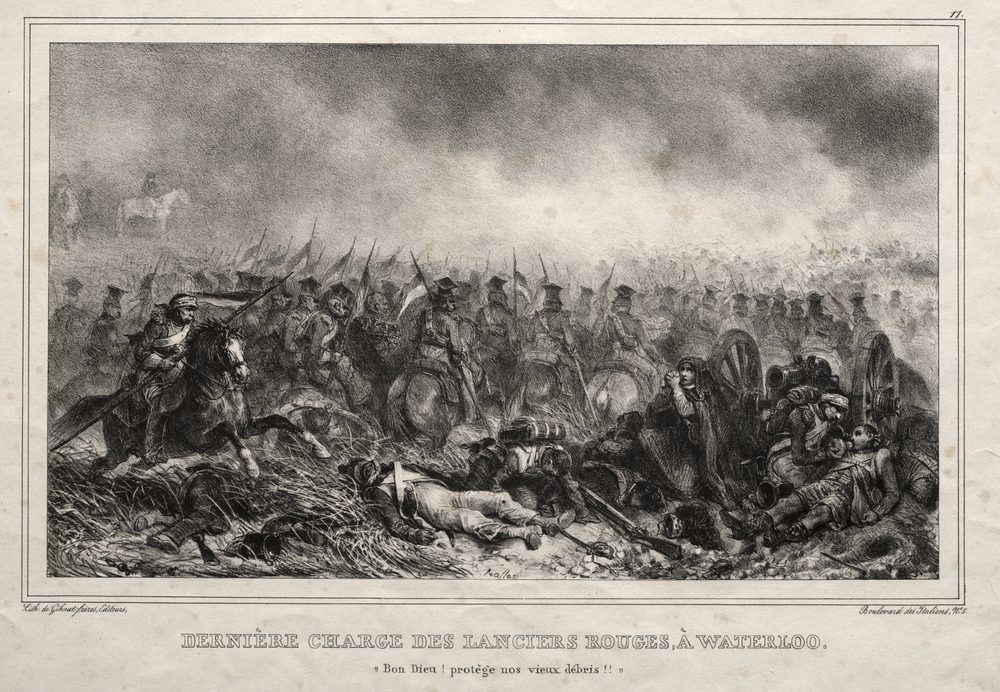
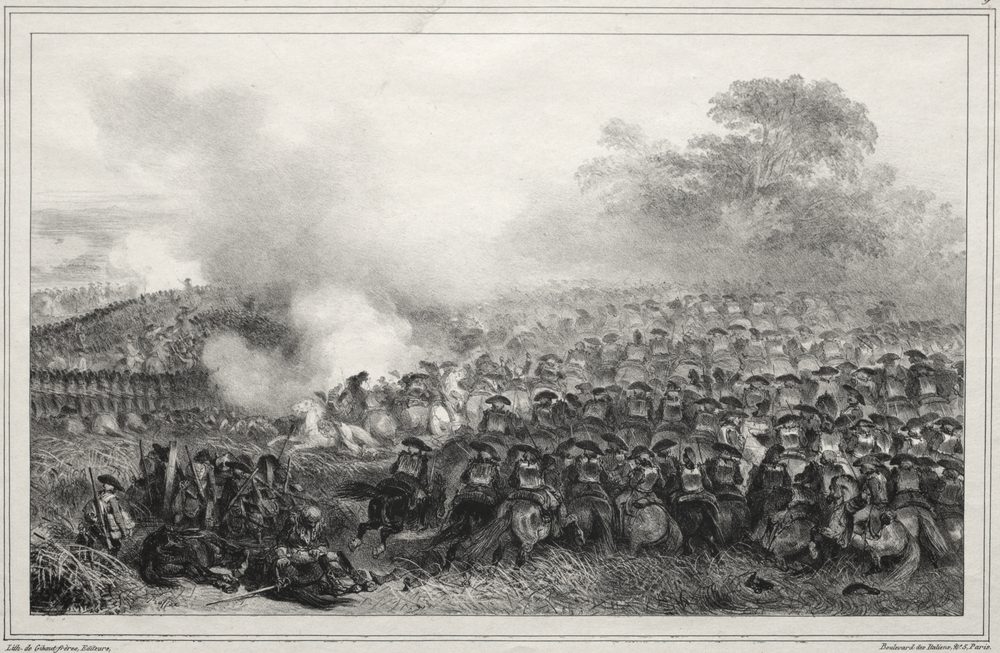
Look at the print below. The lancers go in at the gallop, one more charge into smoke that never clears — and in the same frame, feet away, a woman kneels over the wounded and the dead, an overturned caisson beside her. The words underneath aren’t a cheer. They’re a prayer: Bon Dieu, protège nos vieux débris — God, watch over what’s left of us. That’s not glory. That’s men worn past the end of themselves, going in anyway because there’s nothing left to do but go in. Pain and loss and a kind of hope, all in the same picture. It’s the same choice every scenario in this section hands a player, from the first turn.
What is in the box
Built from the sources, ready for the table
The historical battles carry orders of battle from the published returns and histories, with the sources named on the sheet — to the page, where the source has pages; a generated scenario is built to the period’s own establishment instead, since there is no return to cite for an action that did not happen. Where the record gives no figure the establishment supplies a standard one, so every unit plays. Deployment, objectives, victory conditions, special rules and umpire’s notes on the same sheet.
Thirteen battles are researched engagement by engagement — Austerlitz, Jena–Auerstedt, Eylau, Friedland, Fuentes de Oñoro, Salamanca, Borodino, Krasny, Leipzig, the Six Days, Waterloo and more — forty-four engagements between them, each a complete scenario with its own table, map and victory conditions.
Austerlitz runs to six of them on its own, including the Guard counter-attack: brigade-level forces, table-ready rosters at two table sizes, named commanders.